Dear Readers,
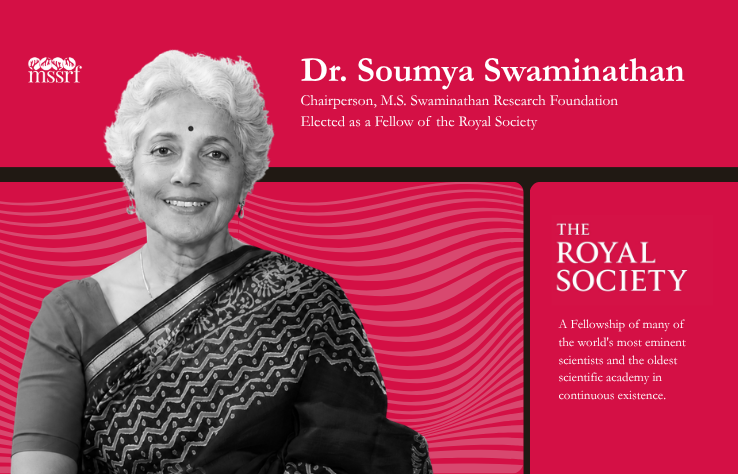
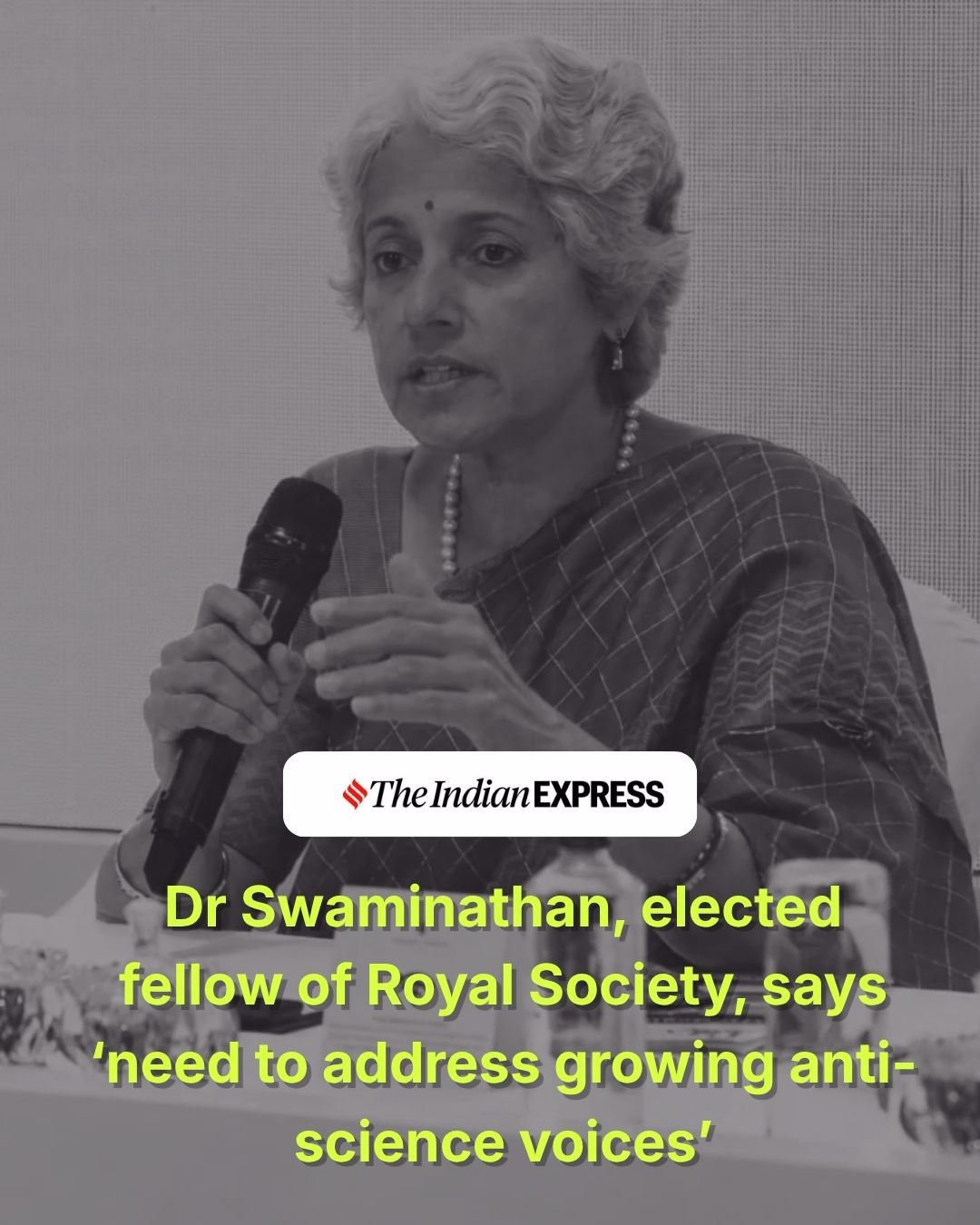
We have something special to share right at the start. Our Chairperson, Dr Soumya Swaminathan, has been elected a
Fellow of the Royal Society, the United Kingdom's national academy of sciences. It is a fellowship whose rolls have carried the names of Isaac Newton, Charles Darwin, Albert Einstein, and Stephen Hawking.
She is only the second woman from India to be elected, and she now shares the distinction with her father, Prof. M.S. Swaminathan, a pairing rare in the history of science. For all of us at MSSRF, it is a moment of profound pride, and a reminder, quieter but no less important, of why science in the service of people is worth a life's work.
|
|
There is more to tell.
We launched
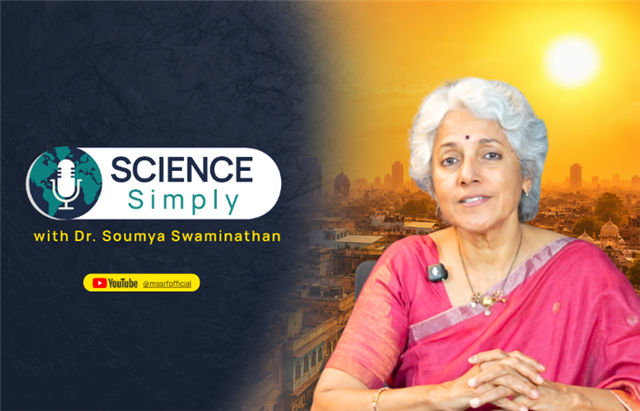
Science Simply, a podcast hosted by Dr Soumya. Two episodes on heat are already out. A third, on antimicrobial resistance, goes live as you read this.
From the field, we covered
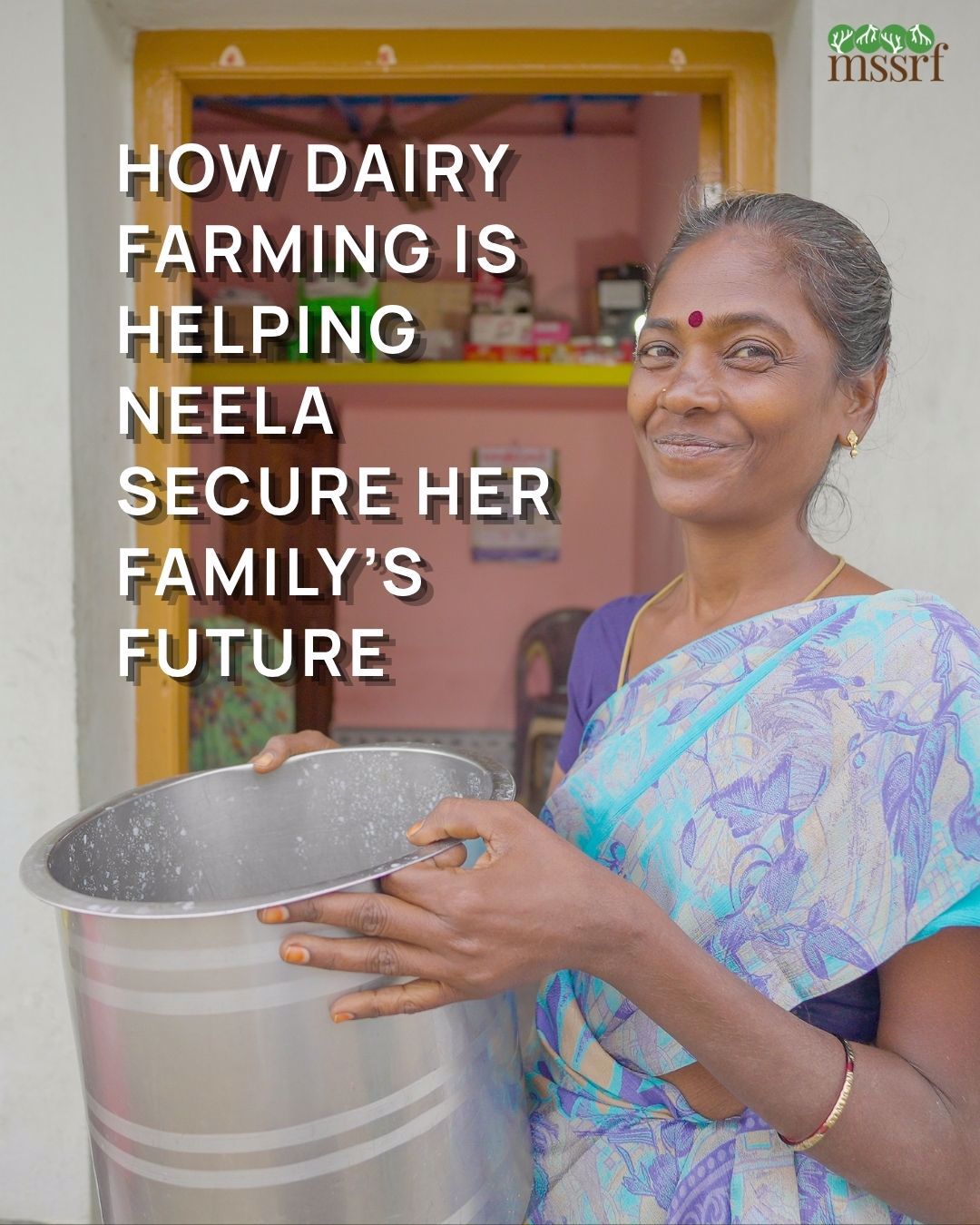
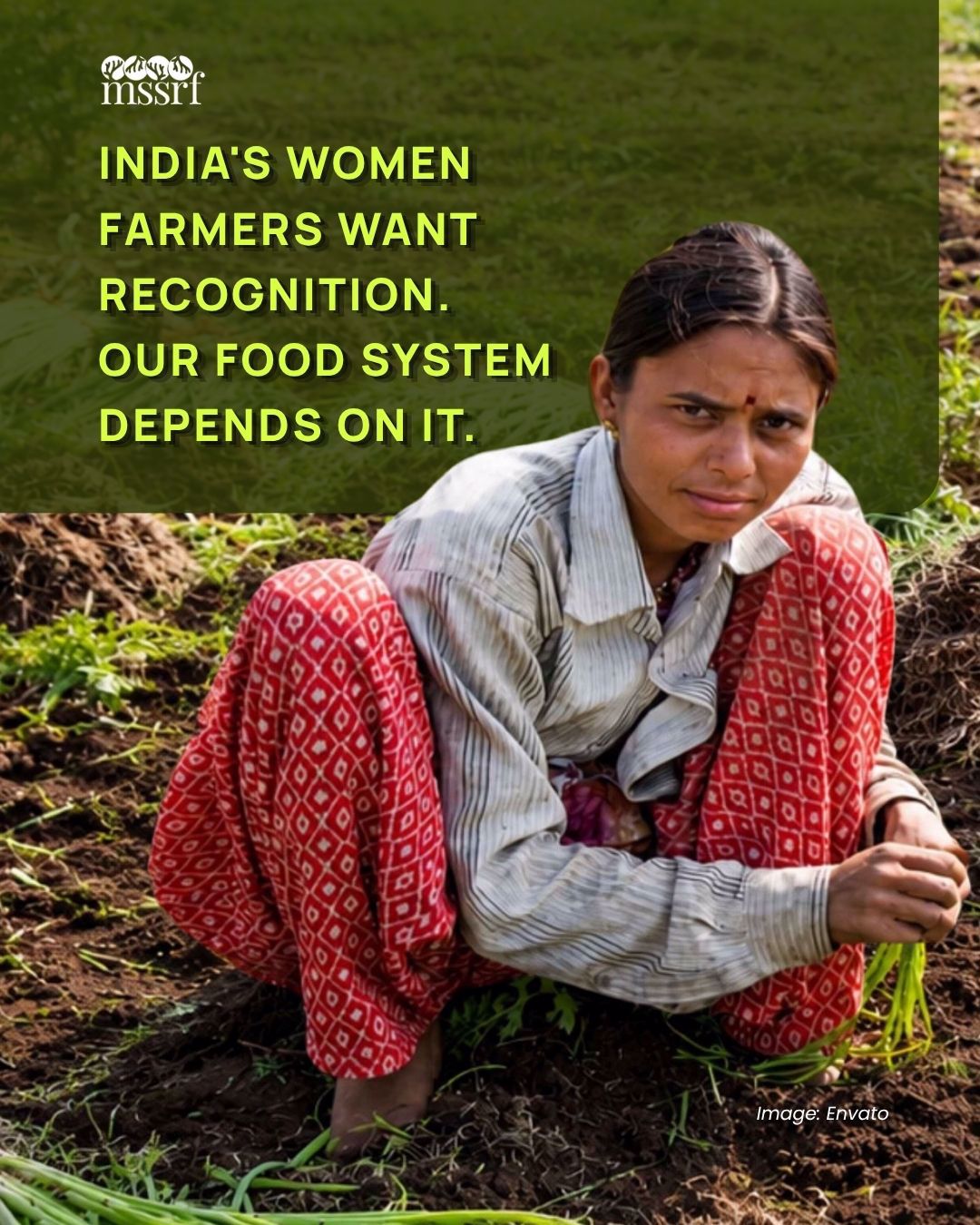
stories that stayed with us – ghost gear and its hidden toll, a drone mapping carbon in mangroves, women farmers still waiting to be recognised, and a dairy farmer's journey of transformation. In partnership with
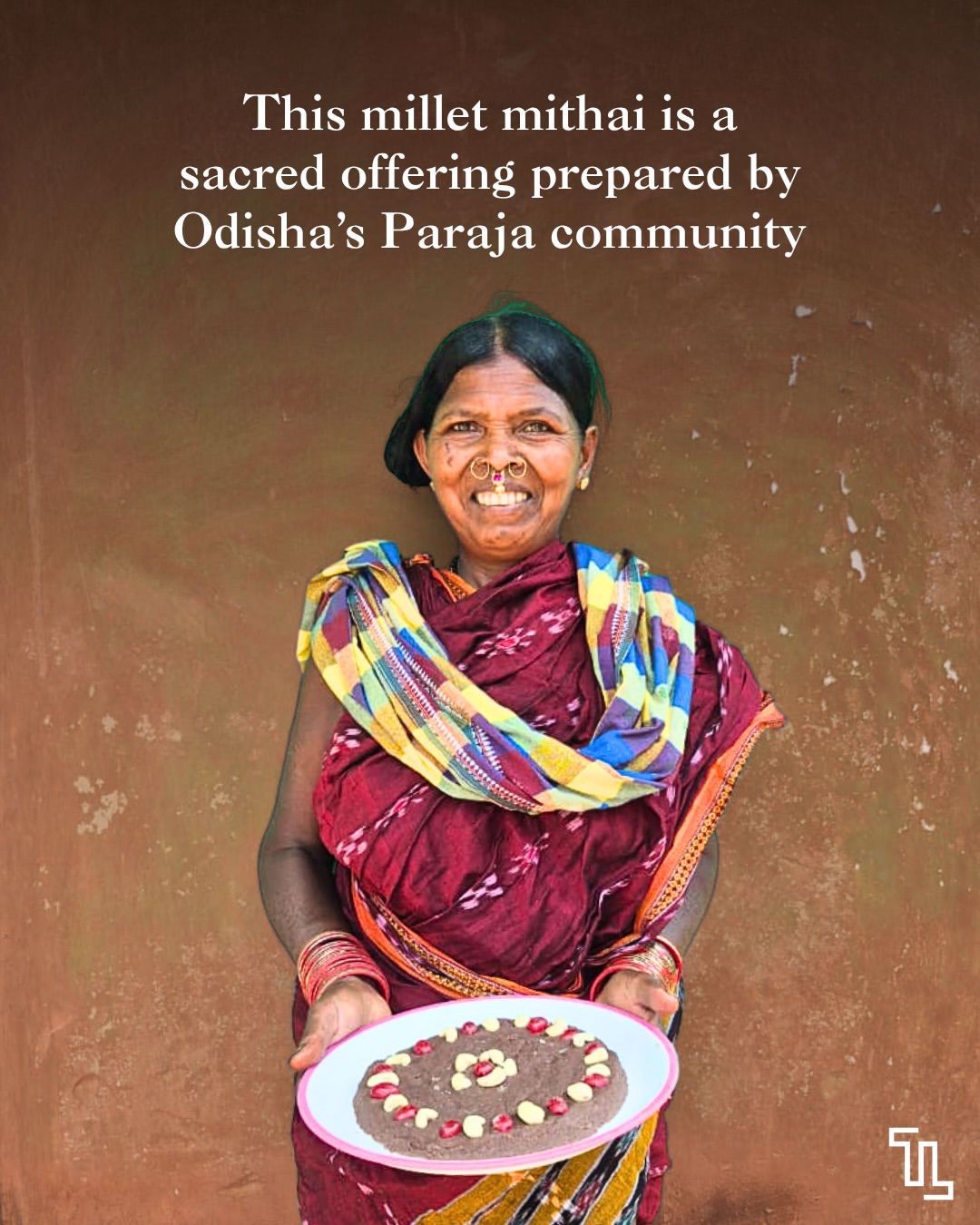
Locavore, we also celebrated food heritage through three tribal recipes.
We made room for play as well. We turned the drone-based carbon mapping into a game for school students who visit our campus as part of Every Child A Scientist programme. In the run up to the International Day of Biological Diversity, we created the
Diversity Decoder, a guessing game for Instagram.
These communications pieces kept us fully occupied for the last two months, but they were as deeply fulfilling. We hope you will enjoy reading them as we loved creating them.
|
|
Jyoti Shelar
Head of Communications and Donor Outreach, MSSRF
|
|
|
Science Simply: An MSSRF Podcast with Dr. Soumya Swaminathan
On the Science Simply podcast, Dr. Soumya Swaminathan breaks complex science into accessible, useful takeaways. The first two episodes covered extreme heat, its toll on health and how it impacts women, children, senior citizens and other vulnerable groups differently. In the latest episode she turns to the misuse of antibiotics and why protecting these medicines is critical in the fight against superbugs.
|
|
|---|
|
|
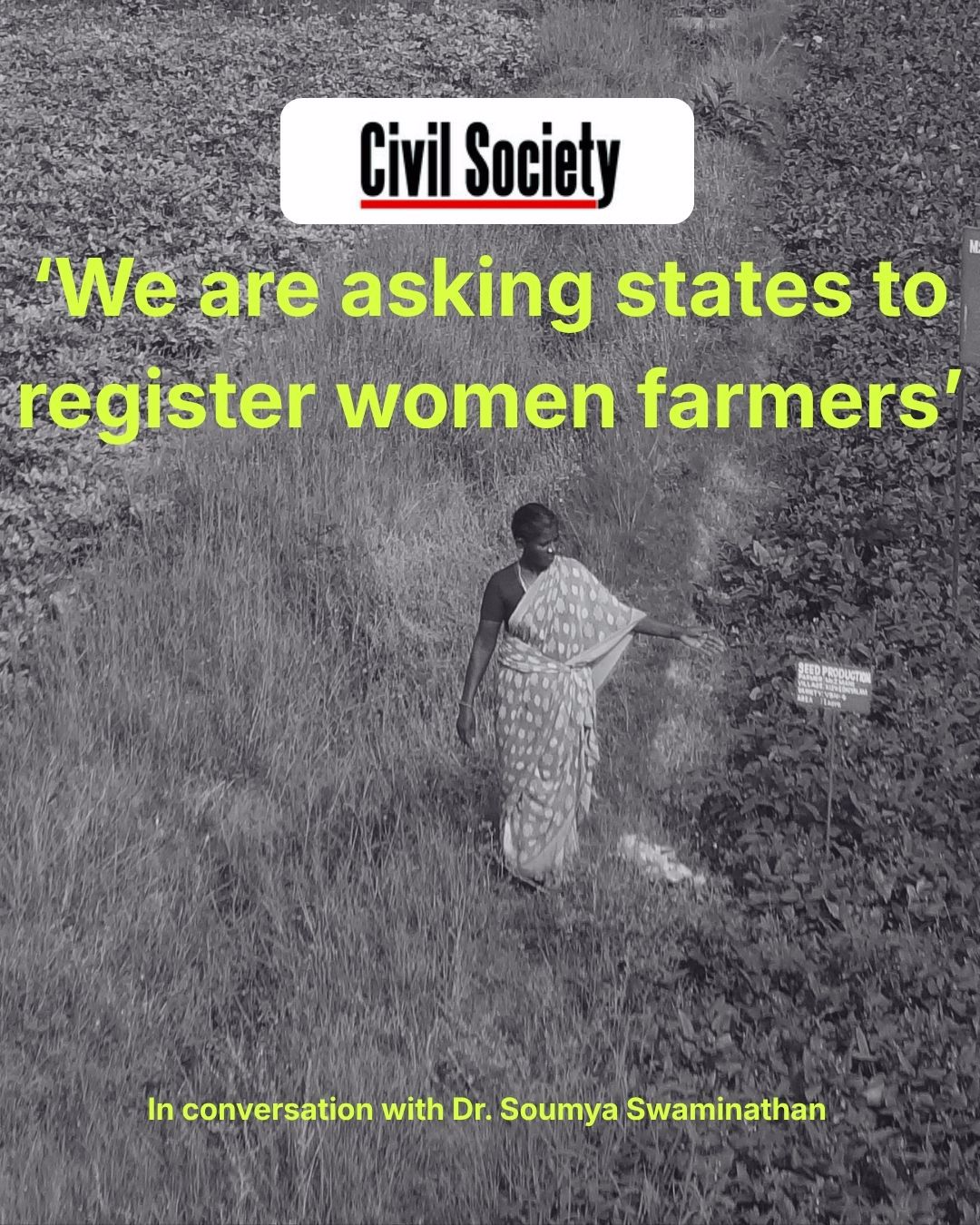
Advancing Recognition for Women Farmers in Maharashtra
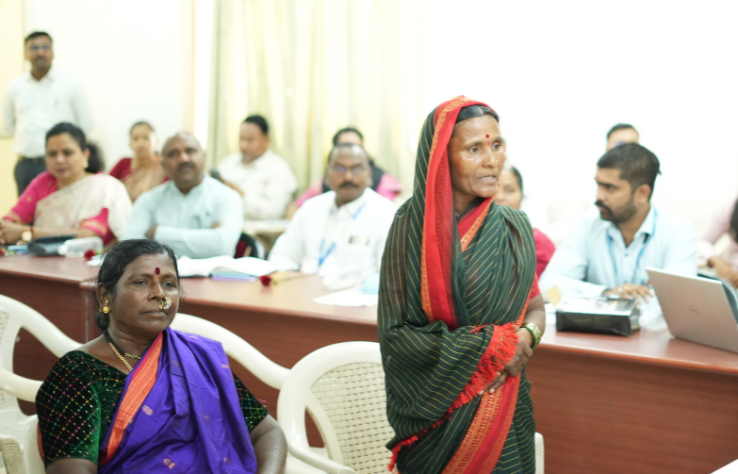
The Maharashtra Cabinet has cleared the draft of the Women Farmers' Entitlements Bill and it is scheduled to be tabled during the ongoing monsoon session. To support the development of the Bill, the Government of Maharashtra, in partnership with MSSRF, convened several regional consultations in Mumbai, Pune, Chhatrapati Sambhajinagar, and Nagpur. The consultations provided a platform for women farmers to share their experiences and priorities. A recurring concern was the lack of formal recognition as farmers, which often limits access to schemes, credit, and institutional support. Insights from these discussions contributed to the final drafting process, ensuring that the proposed legislation is grounded in the realities of women's agricultural work.
|
|
|---|
|
|
First Cohort of the M.S. Swaminathan Fellows Graduate
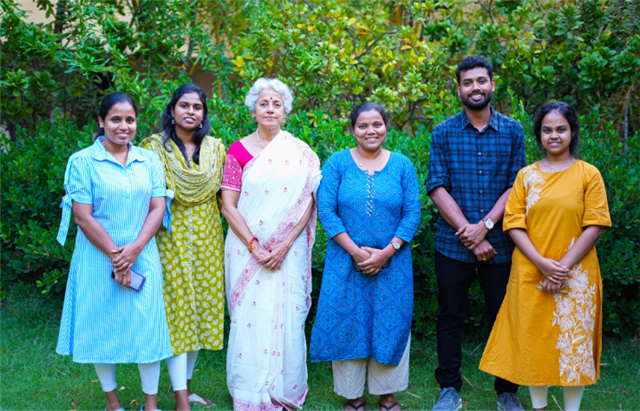
Can lesser-known leafy greens become tomorrow's superfoods? Can seaweed become the next big healthy snack? Can microbes cut methane emissions from paddy fields? These are some of the questions that the first batch of M.S.Swaminathan Fellowship attempted to answer. The first cohort concluded the two-year journey by presenting their research findings, key insights, and field experiences at MSSRF on 26 June 2026.
|
|
|---|
|
|
|
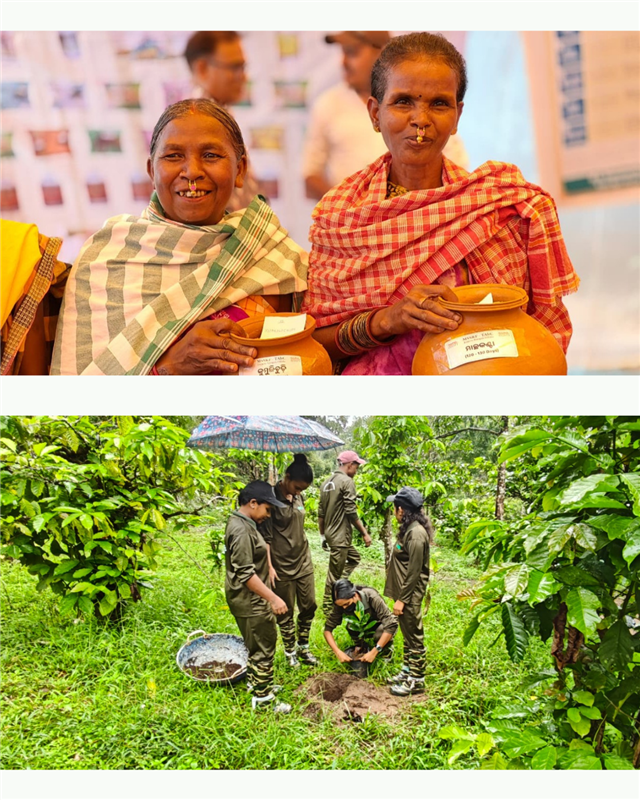
Marking World Environment Day with Seed Keepers, Students, and MSSRF Staff |
|
|---|
|
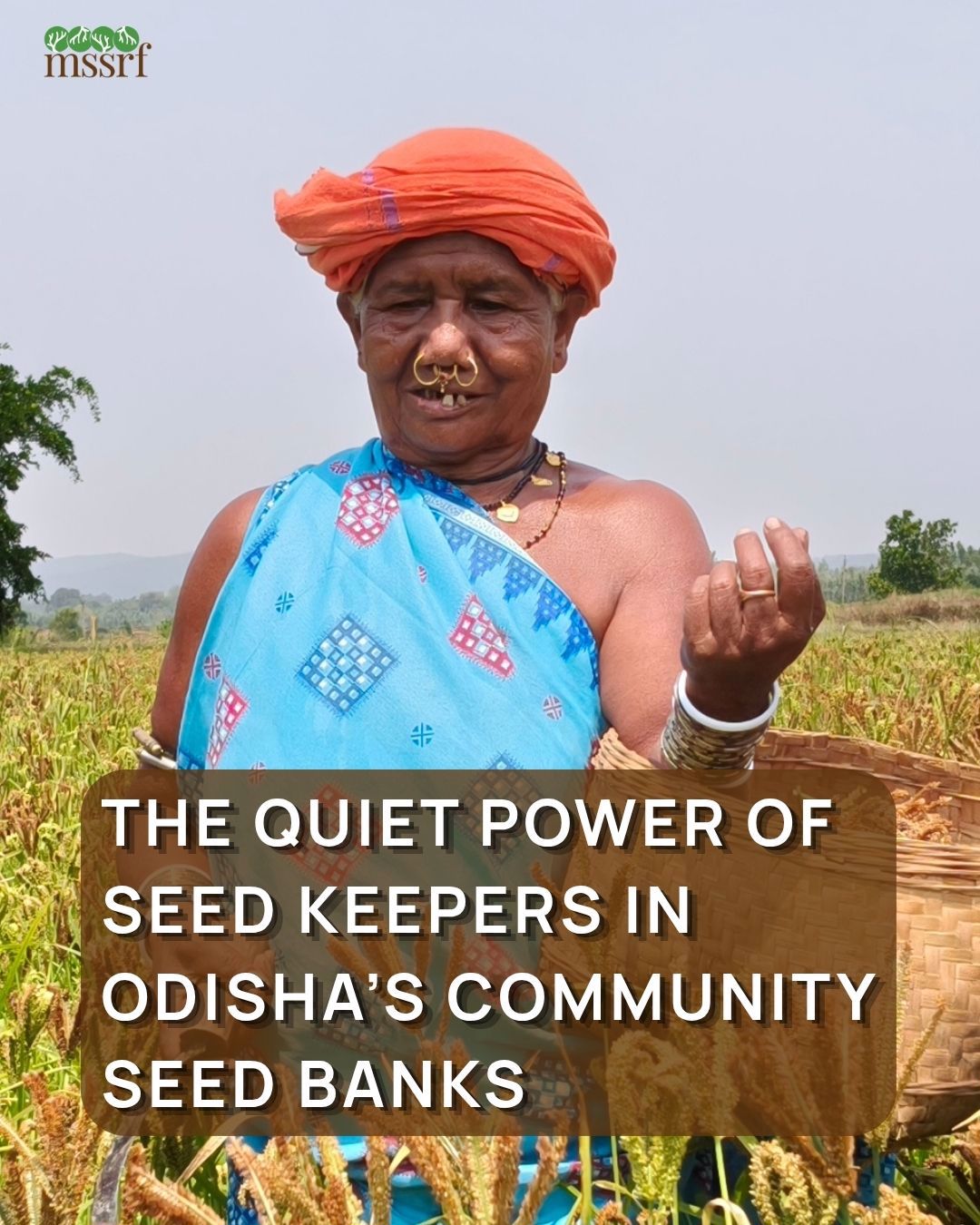
Drawing from this year’s theme "Inspired by Nature. For Climate. For Our Future", MSSRF turned to indigenous knowledge, nature-based solutions and community participation as pathways to a climate resilient future.
MSSRF’s Seed Festival in Odisha spotlit indigenous seed conservation. In Wayanad, tree planting drives mobilised community action, while MSSRF’s staff in Chennai brainstormed ways to further strengthen the relationship between our theories and practice.
Read more |
|
|
|
|
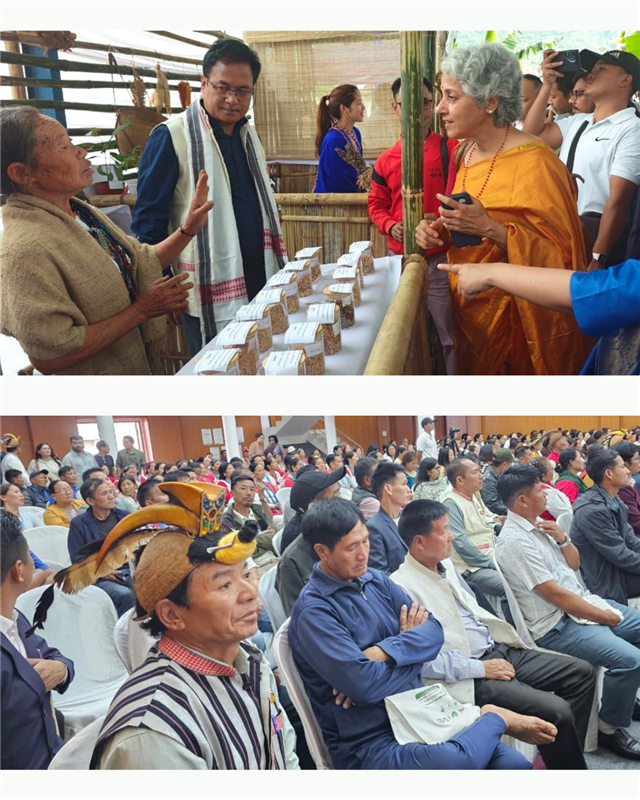
MSSRF in Arunachal Pradesh: Celebrating Seeds, Biodiversity and Community Knowledge |
|
|---|
|
On 28–29 May 2026, MSSRF participated in the Arunachal Pradesh Jaiv Vividhata and Mvm Liid Soonam (Beej Utsav), bringing its Seed Festival to the region.
The event gained special significance after Keyi Panyor was recognised as a “Biohappy District.” The event brought together farmers, youth, researchers, policymakers, and community leaders to celebrate agrobiodiversity, indigenous seed systems, and climate-resilient livelihoods. |
|
|
|
|
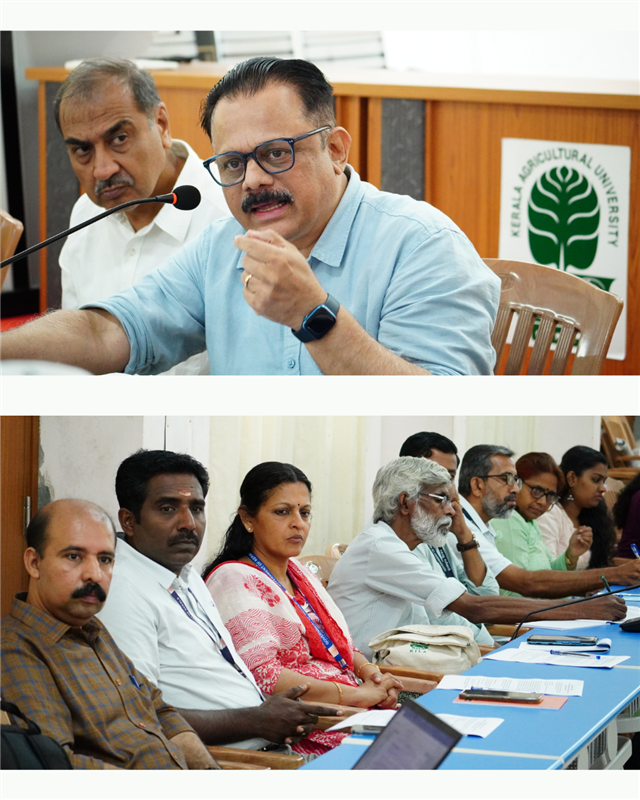
Kol Wetlands Are More Than Paddy — They’re Living Agrobiodiversity |
|
|---|
|
Kol wetlands have great ecological, cultural and livelihood value that is often overlooked. At a recent workshop in Thrissur, 50 farmers, researchers, citizen scientists, government officials and conservationists gathered to recognise its rich agrobiodiversity and explore its many dimensions. MSSRF’s year-long study on Kol wetlands shaped the discussions.
The workshop was organised by the MSSRF CAbC, supported by the Kerala State Biodiversity Board (KSBB), in collaboration with the College of Climate Change and Environmental Science, Kerala Agricultural University, and the Kol Birders’ Collective.
Read more
|
|
|
|
|
|
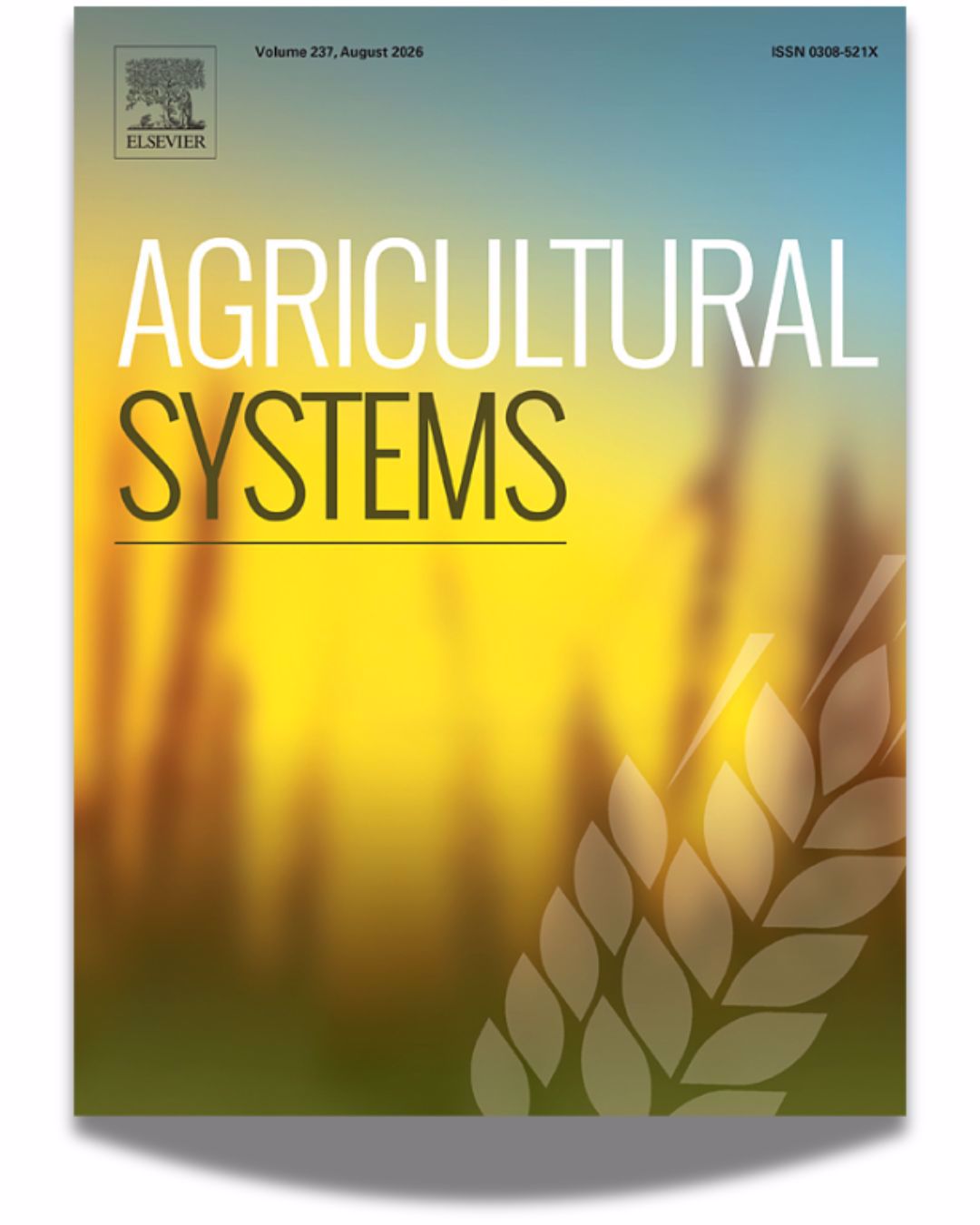
Reinterpreting scaling as synchronising and sequencing: A case study of food system innovation in eastern India
The paper offers a novel conceptual framework (the 3S framework) for understanding scaling as a process that requires both synchronisation across multiple system scales and strategic sequencing over time.
|
|
|
|
|
Priority setting of India’s blue carbon ecosystems as nature-based solutions for climate, people and biodiversity
This paper presents 10 priority areas for blue carbon science and policy development in India. A five-step blue carbon roadmap is outlined to support the development of an ambitious national programme for blue carbon ecosystems.
|
|
|
|
|
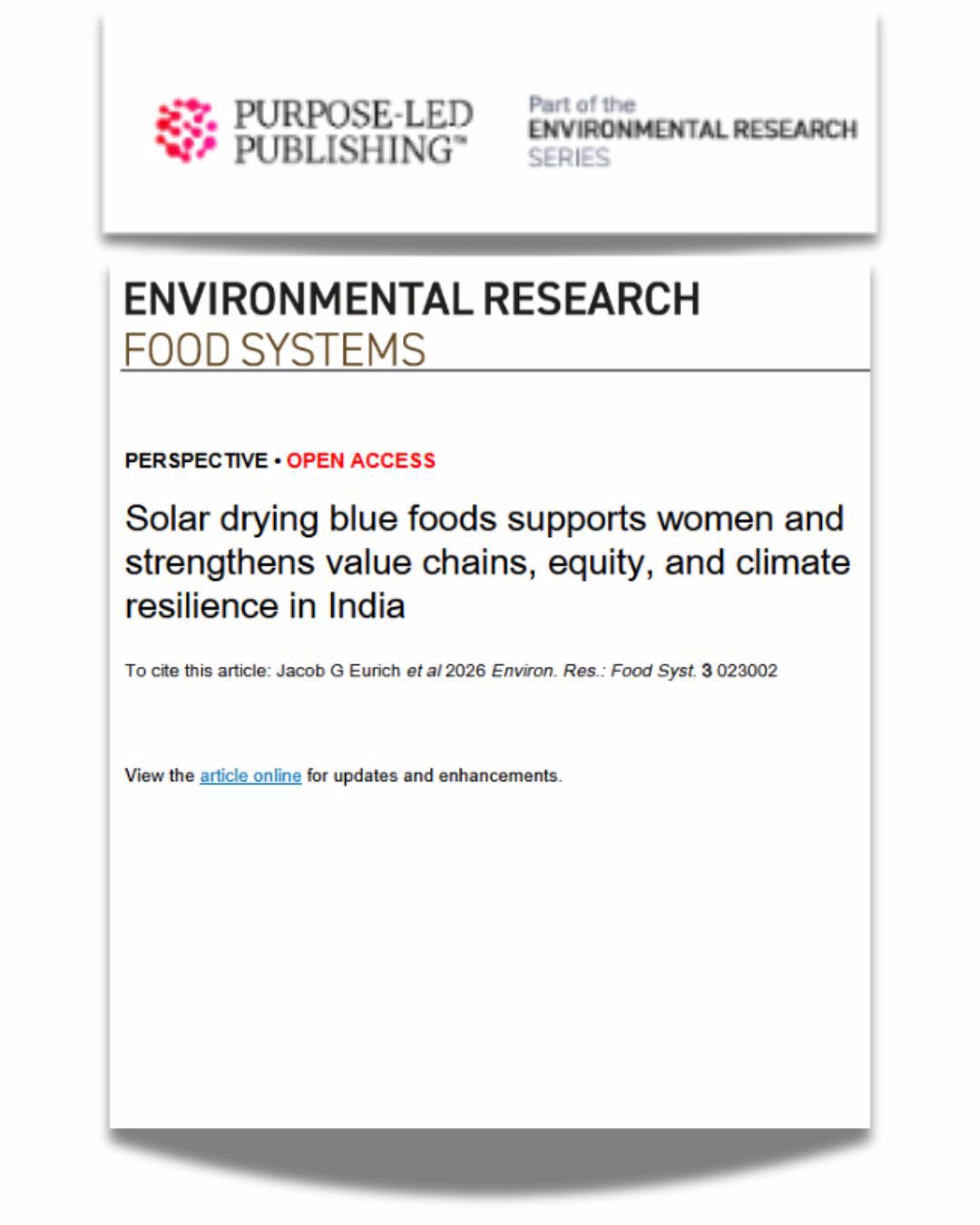
Solar drying blue foods supports women and strengthens value chains, equity, and climate resilience in India
This perspective highlights how small-scale co-developed innovations can advance blue food transformation goals—linking product safety, women’s economic empowerment, and nutrition security.
|
|
|
|
|
|
Diversity Decoder: Guess the Species, Explore Biodiversity |
|
|---|
|
MSSRF created
Diversity Decoder to engage social media audiences for the International Day for Biological Diversity (May 22). Inspired by Pokémon – a popular Japanese animated series – the guessing game invited participants to identify animals, plants, reptiles, or birds through their silhouettes, supported by clues highlighting their ecological importance. This
Instagram-first game received consistent engagement from participants. The MSSRF Media Resource Centre is now working to adapt it to a physical card game to promote biodiversity awareness and conversations.
|
|
|---|
|
Tribal Recipes Bringing Climate Resilient Crops Back Into Our Food Systems |
|
|---|
|
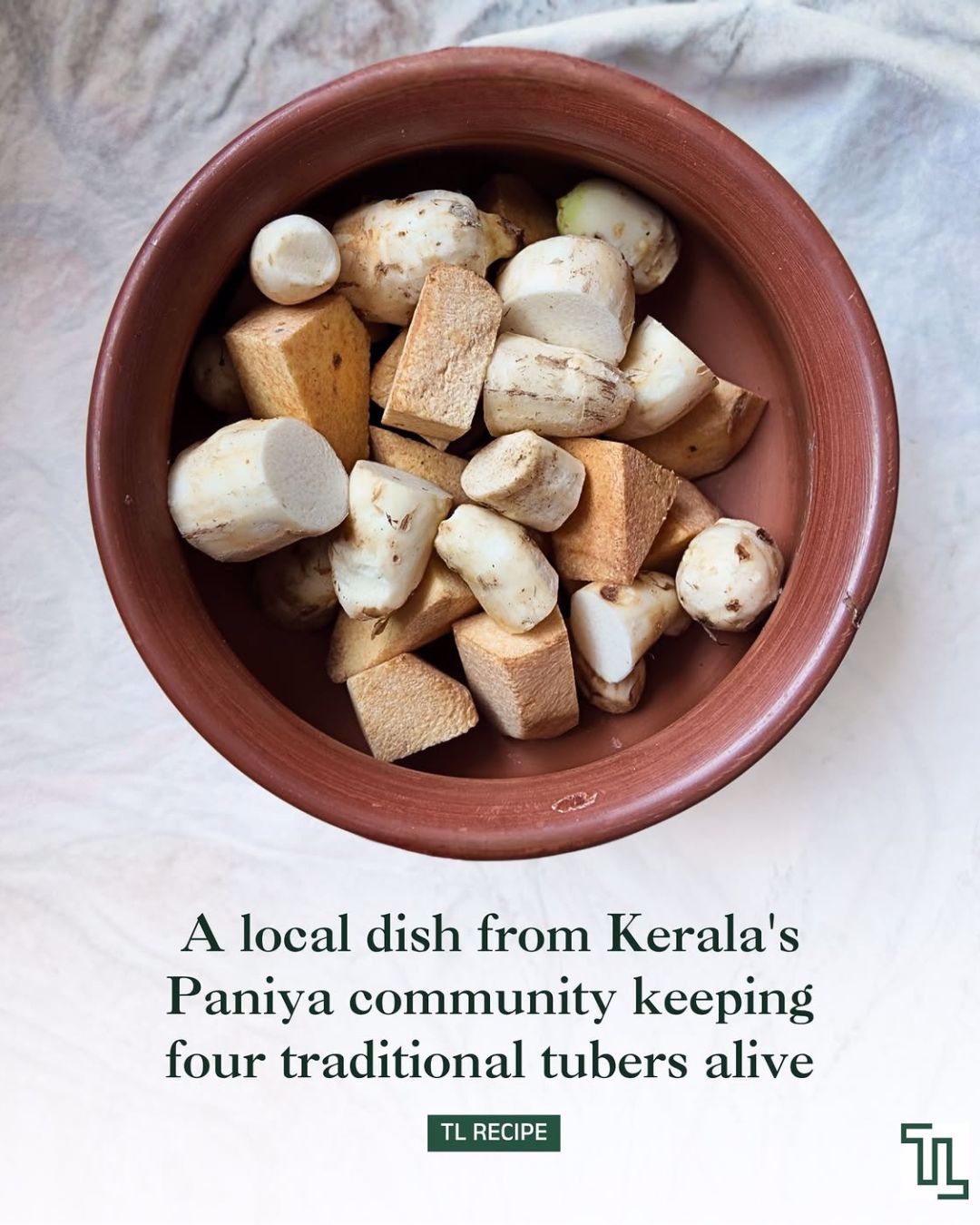
For generations, tribal communities have quietly kept hardy, nutritious crops at the centre of daily life while mainstream systems moved on. In Kerala, the Paniya community depends on a calorie‑rich
tuber mix to power their day’s work. In Odisha, the Paraja mark Nuakhai with
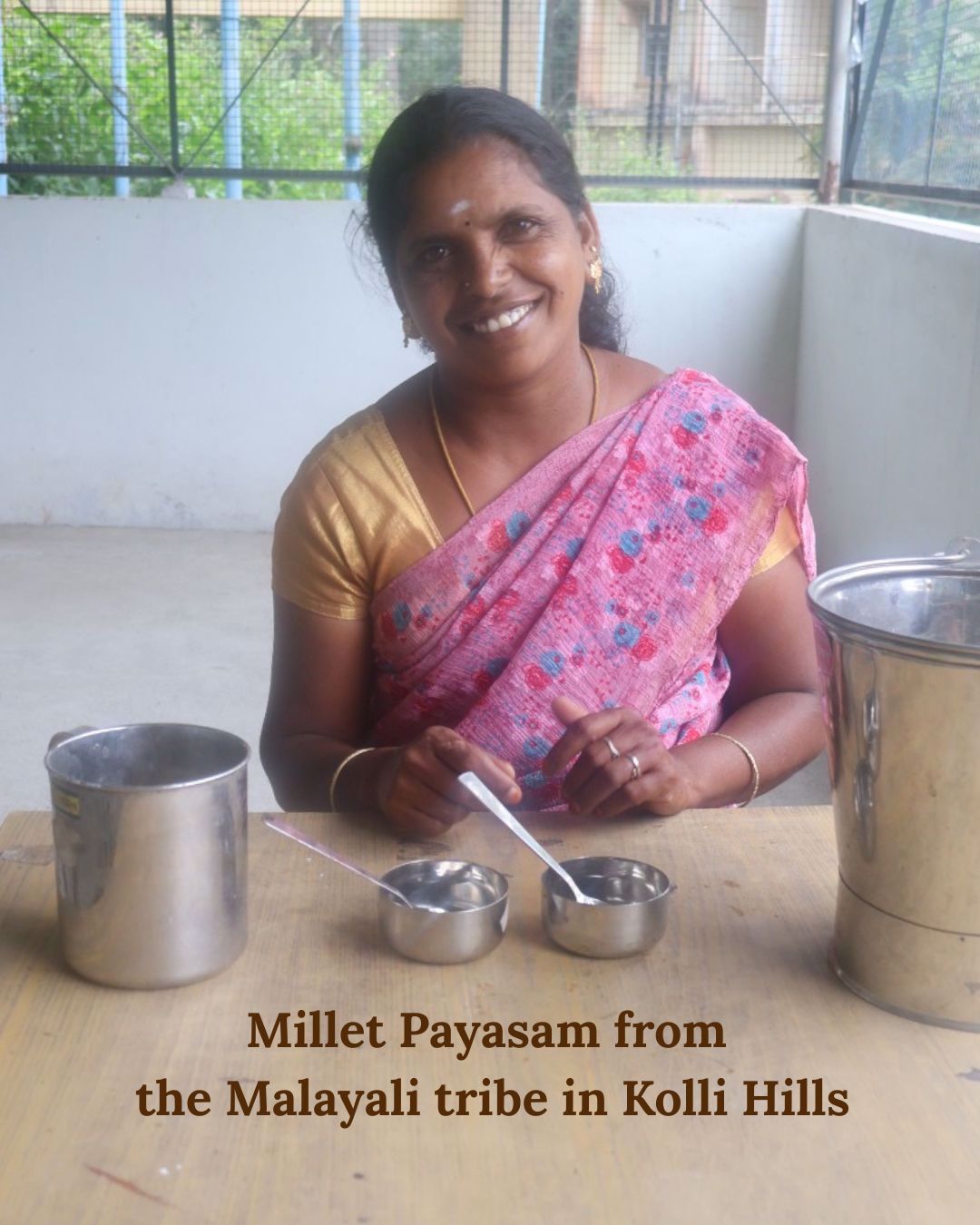
Ragi Halwa. In Tamil Nadu’s Kolli Hills,
Thinai Payasam turns foxtail millet into a beloved dessert.
This limited recipe series by the MSSRF and
The Locavore spotlights native ingredients – climate resilient and nutritionally rich – that are lesser-known and deserve a place in our food systems.
|
|
|---|
|
| |
| |
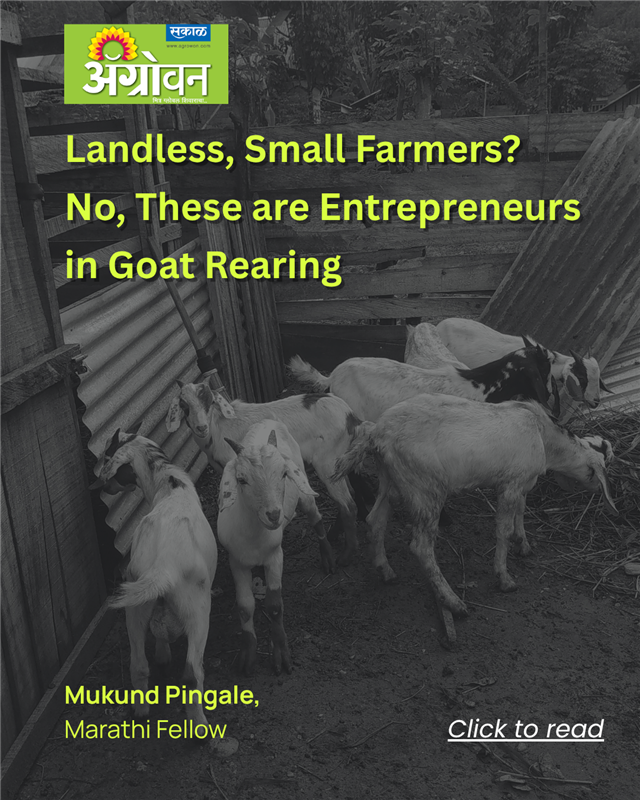
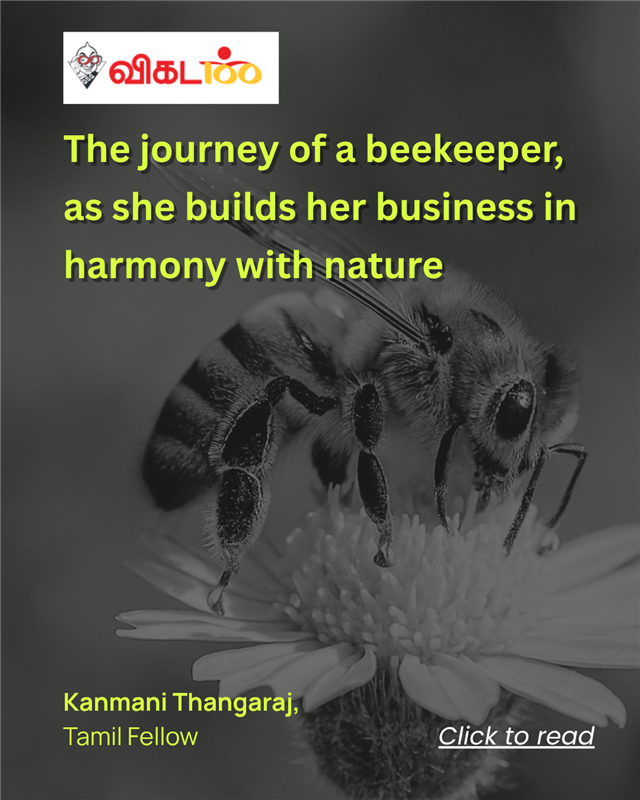
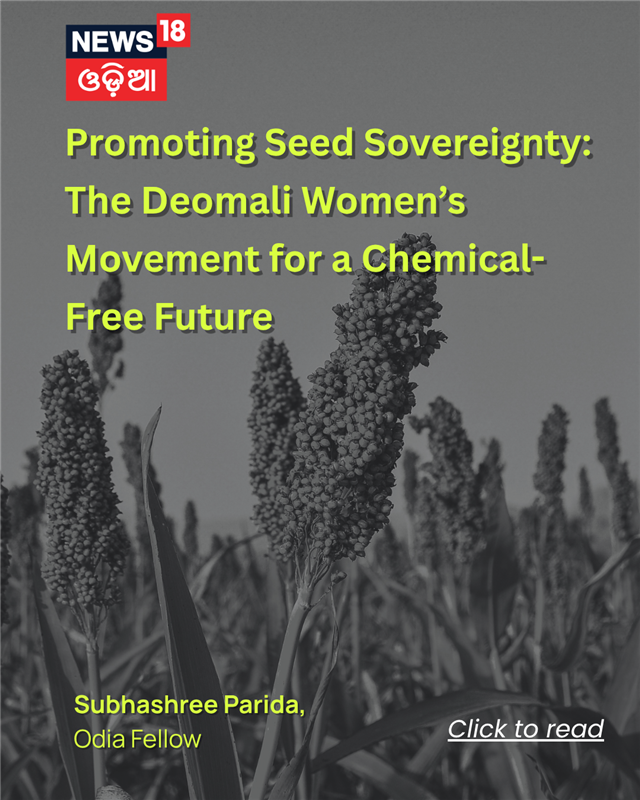
REPORTING BY MINA SWAMINATHAN MEDIA FELLOWS |
|
|---|
|
| |
M. S. Swaminathan Research Foundation 3rd Cross Street, Taramani Institutional Area, Chennai - 600113. Tamil Nadu, India
|
|
|---|
|
|
| |
|
|