|
Dear readers,
This May 22, the world observes the International Day for Biological Diversity under the theme “Acting Locally for Global Impact.” Few regions reflect this urgency more than the Western Ghats—one of eight global biodiversity hotspots, with over 7,400 flowering plant species, including 229 that are globally threatened. Pressure on this fragile landscape is growing. The July 2024 Meppadi landslide showed what can happen when nature is out of balance.
For over three decades, the M. S. Swaminathan Research Foundation (MSSRF) has worked with tribal communities here on biodiversity and agrobiodiversity conservation. The M.S. Swaminathan Botanical Garden in Wayanad now conserves 1,061 plant species, including 247 on the IUCN threatened list, and has propagated 328 species through satellite conservation gardens.
We are expanding this effort into a Biodiversity Park through a hub-and-spoke model across Wayanad, Kozhikode, Malappuram, and Kannur. Over the next decade, across 250 acres, we aim to recover 100 rare, endangered, and threatened species, improve the conservation status of 50 Red-listed species, and strengthen livelihoods for 1,000 tribal families through underutilized food plants.
|
|
A key milestone will be reached this June with new state-of-the-art nursery and lab facilities in Wayanad to scale propagation of native and threatened species, alongside nature trails and hub biopark restoration. As part of strengthening the hub, we are setting up a nursery complex. It can produce 3 to 4 lakh seedlings. The focus is on native species of the Western Ghats to support large-scale greening and restoration. The nursery will also grow other plants, such as orchids, ferns, bryophytes, medicinal plants, and ethnic food plants.
This long-term work demands scientific rigour, patience, and shared commitment—investing in ecosystems and communities beyond our lifetimes. If this resonates with you, I would welcome a conversation on how we might work together
Dr. Soumya Swaminathan
Chairperson, MSSRF
|
|
|
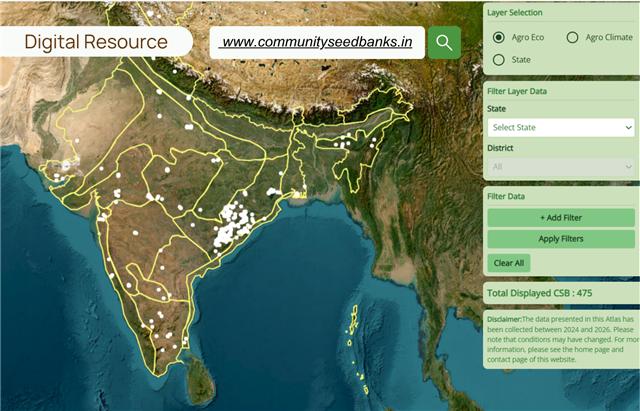
The Living Atlas Connecting India's Community Seed Banks
India has over 1,000 community seed banks, yet most have long worked in isolation. To bridge this gap, MSSRF and the Fridtjof Nansen Institute, supported by the Royal Norwegian Embassy, developed the Atlas of Community Seed Banks (CSBs) — a living, interactive map documenting 475+ CSBs across the country. Open access and easy to navigate, it lets you filter and explore seed banks by location, crop species, or governance model. The atlas also enables knowledge exchange between seed conservators, offers research-backed guidance to strengthen CSBs, and delivers real-time data to researchers and policymakers — all in service of securing smallholder farmers' livelihoods and rights. As more community seed banks join, the atlas keeps growing, charting the collective work of communities conserving India's biodiversity and building climate resilience. |
|
|---|
|
|
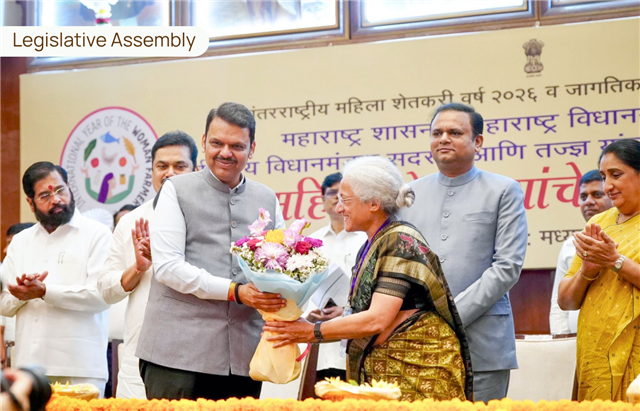
Maharashtra's Legislative Assembly Turns the Spotlight on Women Farmers
“If we see the villages today, women are taking on the majority of the burden of agriculture, in addition to household chores and childcare,” MSSRF trustee Prof. Nitya Rao said at a seminar on the empowerment of women farmers at the Maharashtra Legislative Assembly on March 11.
Chief Minister Devendra Fadnavis, Legislative Council Chairman Prof. Ram Shinde, Assembly Speaker Adv. Rahul Narwekar, Deputy Chief Ministers Eknath Shinde and Sunetra Ajit Pawar, Deputy Chairperson of the Legislative Council Dr. Neelam Gorhe, MSSRF Chairperson Dr. Soumya Swaminathan, along with ministers and other legislators were present. Pawar said that the Maharashtra Government will introduce a special bill on women farmers in the upcoming legislative session.
|
|
|---|
|
|
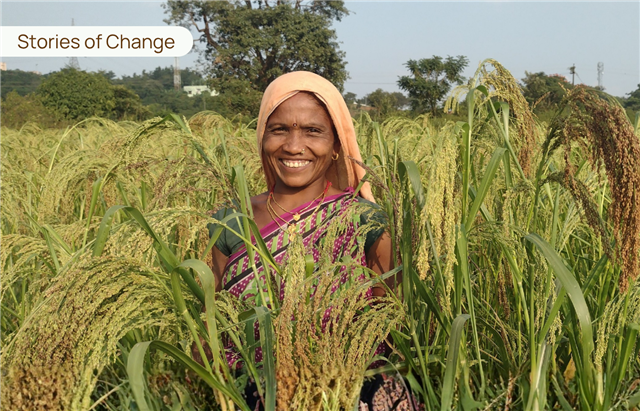
In Odisha, a Woman Farmer Finds Strength in Millets
Thirty-two-year-old Chita Chendia always knew she was meant for more than homemaking. On her family's millet farm in Machhara, Odisha she slowly built a strong identity for herself — learning, adapting, and embracing new farm innovations along the way, with MSSRF's Tribal Agrobiodiversity team by her side. Women like Chita are the quiet backbone of farms across India, yet their contributions rarely receive the recognition they deserve. Their stories are ones of resilience and determination — and this International Year of the Woman Farmer, we urge you to give them a read.
|
|
|---|
|
|
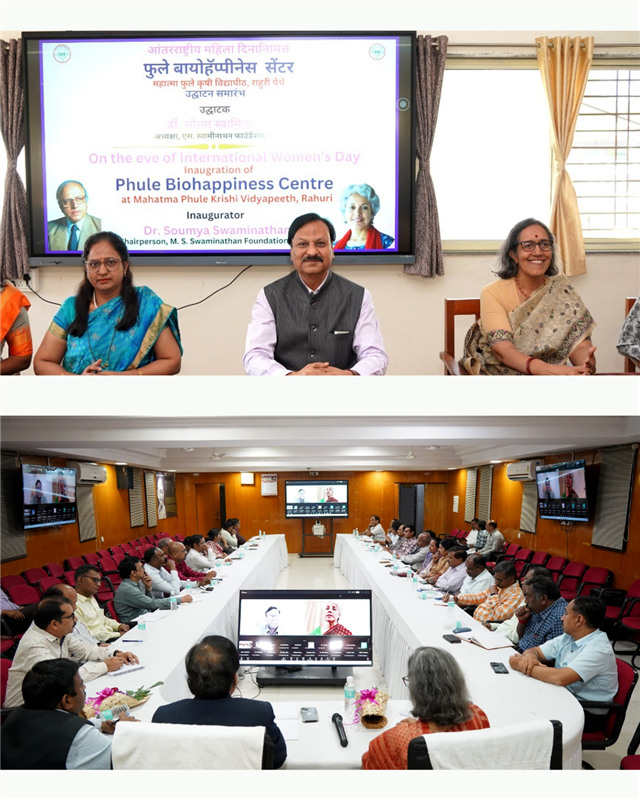
Biohappiness Centre Launched to Further Prof. M.S. Swaminathan's Vision |
|
|---|
|
On International Women's Day 2026, Mahatma Phule Krishi Vidyapeeth (MPKV) and MSSRF jointly launched the ‘Phule Biohappiness Centre’ in Rahuri, Maharashtra.
Inaugurated by Dr. Soumya Swaminathan and Vice Chancellor Dr. Vilas K. Kharche, the centre is rooted in Prof. M.S. Swaminathan's vision of Biohappiness: a world where ecological and human well-being are in harmony. Through community-centred initiatives, appropriate technology, and an inclusive approach, the centre aims to turn this vision into a ground reality.
Learn more about the launch here. |
|
|
|
|
Introducing the Mina Swaminathan Media Fellows |
|
|---|
|
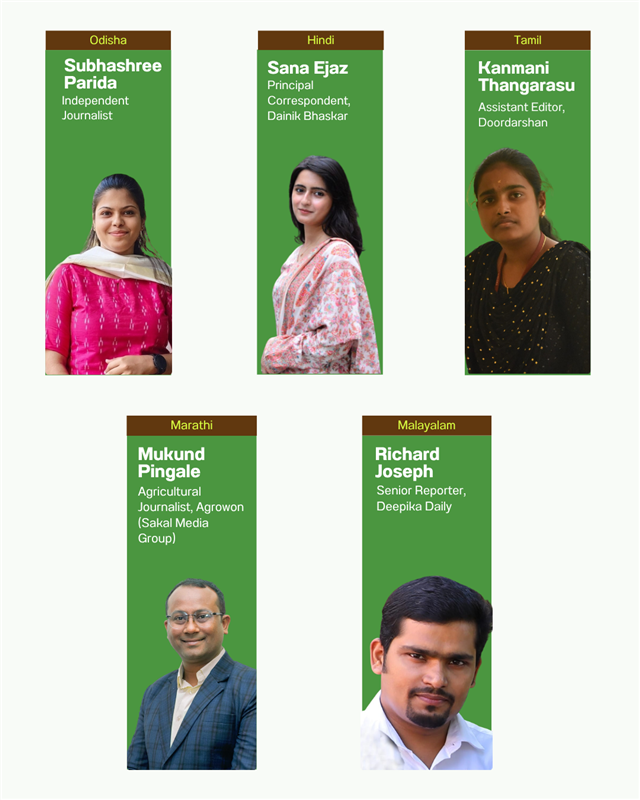
We are pleased to introduce the fellows of the Mina Swaminathan Media Fellowship 2026. This year, they are pursuing stories of women farmers, in line with the theme of the International Year of the Woman Farmer.
Meet our fellows:
- Subhashree Parida, Independent Journalist (Odia)
- Sana Ejaz, Principal Correspondent, Dainik Bhaskar (Hindi)
- Kanmani Tangarasu, Assistant Editor, Doordarshan (Tamil)
- Mukund Pingale, Agricultural Journalist, Agrowon (Marathi)
- Richard Joseph, Senior Reporter, Deepika Daily (Malayalam)
Capturing the story of the Deomali Women’s Movement, our Odia fellow has published her first story.
Read the story here.
|
|
|
|
|
Capturing Wetlands: 350+ Entries Shine a Light on Vanishing Ecosystems |
|
|---|
|
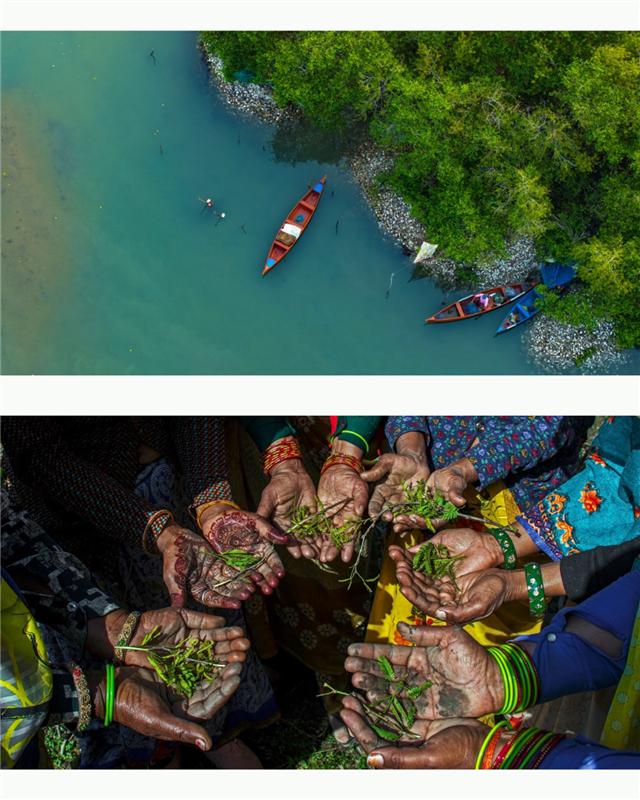
On February 2, 2026 — World Wetlands Day — we at MSSRF announced a Wetlands Photo Competition to get more people talking about the rapid loss of these vital ecosystems; and the response? Truly heartening. We received over 350 entries from across the country, each offering a unique glimpse into the beauty, biodiversity, and everyday importance of wetlands.
It wasn’t easy for our judges — Rathika Ramaswamy, Divine Rizia, and Goldwins Paul — to pick winners.
Take a look at the winning entries here.
|
|
|
|
|
National Media Workshop on Gender and Agri-Food Systems
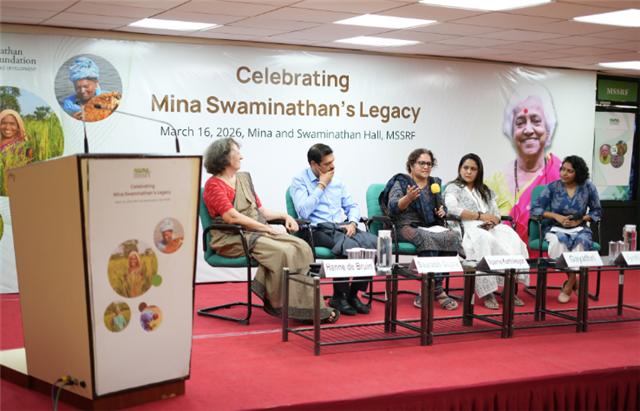
On March 16 and 17, MSSRF brought together over 20 journalists from across the country for a workshop on gender and agri-food systems. The two-day event began with a tribute to Mina Swaminathan, marked by the announcement of the recipients of 2026 Mina Swaminathan Media Fellowship. This was followed by a keynote address by Mr. Arun Ram, Resident Editor, The Times of India, Chennai, and an engaging panel discussion on 'Framing Gender: Storytelling Across Platforms.' The workshop saw expert led sessions on the need to shift the lens from gender gaps and barriers to the pathways and strategies women farmers were forging; transforming food systems daily and positioning them as active agents of change.
|
|
|---|
|
|
National Science Day at MSSRF Inspires Young Scientists
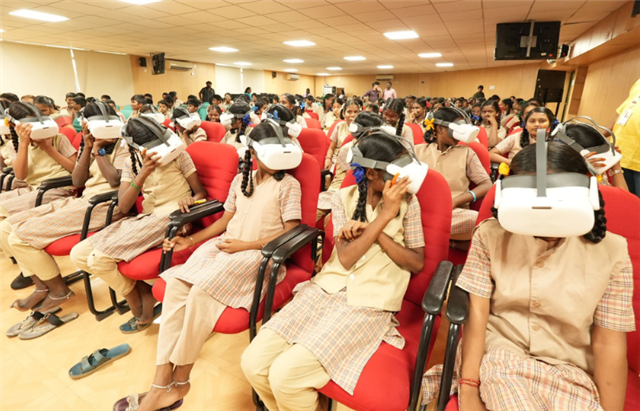
National Science Day, February 25, at MSSRF, was an exciting day of discovery and learning for 180 students—our future scientists— from our Every Child a Scientist (ECAS) programme who joined us from six Chennai Corporation schools. From immersive Virtual Reality experiences to an engaging session by the Madras Crocodile Bank, students learned and presented their ideas through group projects.
|
|
|---|
|
|
New Cyperaceae Plant Species Discovered in the Western Ghats
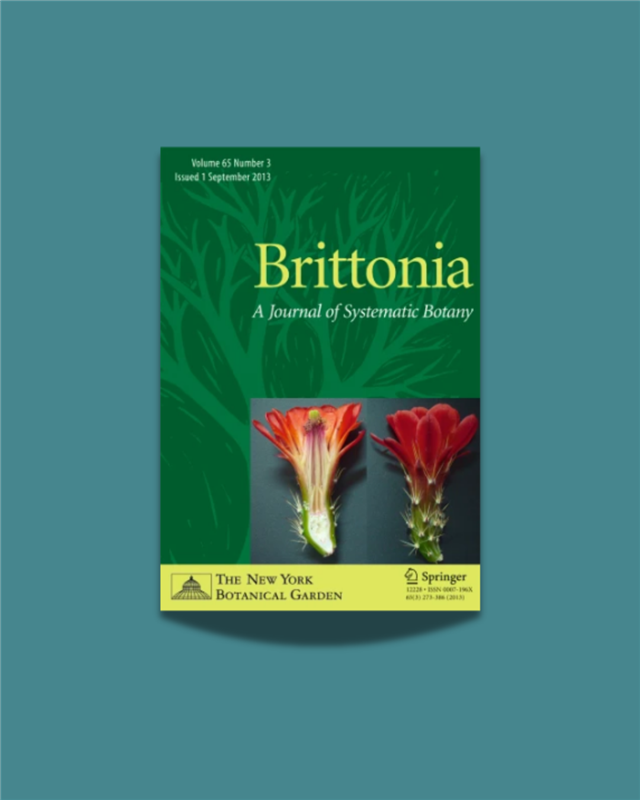
A new plant belonging to the Cyperaceae family has been discovered in Kerala. The plant, named
Fimbristylis wayanadensis, was discovered in Wayanad, in the Western Ghats. It belongs to the genus
Fimbristylis, which comprises approximately 300–320 species worldwide. This discovery adds to the 125 species recorded in India, most of which are found in the Western Ghats.
|
|
|
|
|
Millets and Women: A Changing Feminist Political Ecology of Agricultural Innovations
MSSRF researchers Mr. Girigan Gopi, Mr. Prashant K. Parida, and Dr. Rengalakshmi Raj have contributed a chapter to
Gender Mainstreaming and Development examining millet cultivation's decline and revival in Odisha. Titled 'Millets and Women: A Changing Feminist Political Ecology of Agricultural Innovations', it explores how the evolving political economy of millet production reshapes gender relations across the value chain, creating new opportunities and challenges for women, and outlines pathways for gender mainstreaming in the millet sector.
|
|
|
|
|
The Impact of Mangrove Degradation and Restoration on Total Ecosystem Carbon Stocks
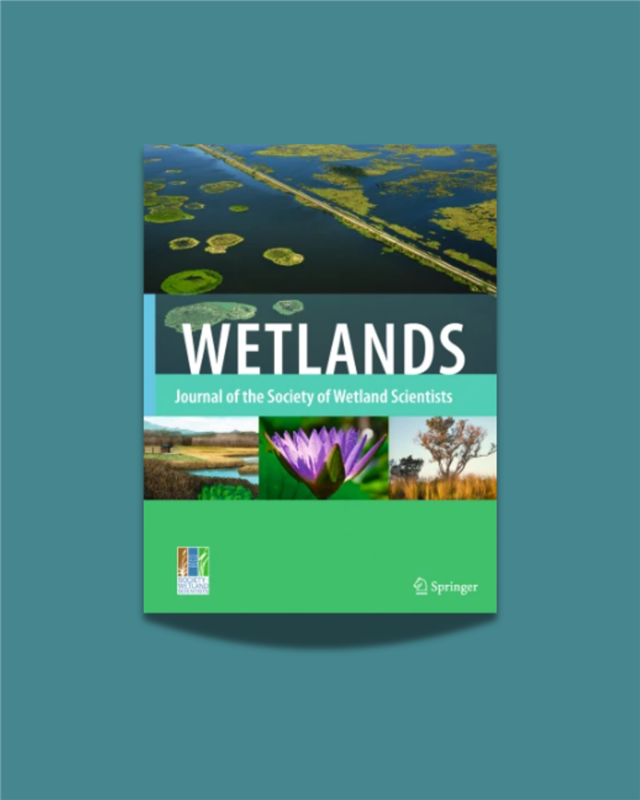
This study determined total carbon stocks of mangrove ecosystems in four land cover types - remnant natural mangroves, mangroves restored through accelerated natural regeneration, nearby inland woody areas, and abandoned shrimp ponds having secondary vegetation. Researchers found higher soil carbon stocks in abandoned shrimp ponds in comparison to adjacent mangrove plantations among these study sites.
|
|
|
|
|
Dr. Soumya Swaminathan on Climate and Health at Villars Summit 2026
The fourth edition of the Villars Institute Summit 2026 brought together leaders from science, finance, business, policy, and the arts. MSSRF Chairperson, Dr. Soumya Swaminathan delivered the Summit’s distinguished lecture. She spoke about how damage to the environment is closely linked to human health. She stressed that climate change is not a future risk- it is already affecting us by changing how we grow food, how diseases spread, and how economies function.
|
|
|
|
|
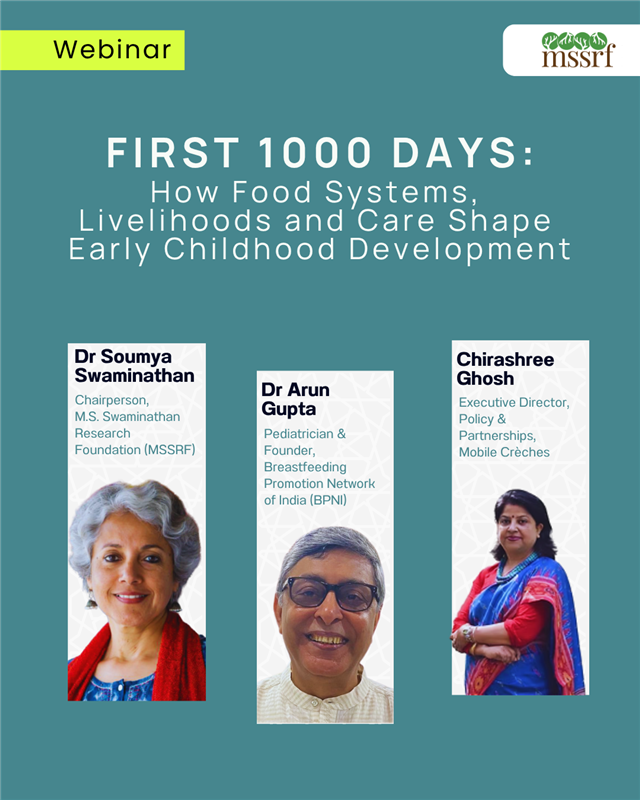
Why the First 1000 Days Matter: Insights from the Poshan Pakhwada Webinar
A child’s future begins in the first 1000 days, when nutrition, care, and environment shape how they grow and learn. As part of Poshan Pakhwada, MSSRF hosted a webinar with Dr. Soumya Swaminathan, Dr. Arun Gupta, founder of Breastfeeding Promotion Network of India (BPNI) and Chirashree Ghosh, Executive Director, Policy & Partnerships, Mobile Creches. The discussion looked at gaps in breastfeeding support, access to care, and how food systems and livelihoods affect early childhood. The speakers called for stronger policies and a more connected approach to nutrition, care, and livelihoods.
|
|
|
|
|
Pathways to Gender Justice: Insights from the Women's Day Webinar
"India is among the 15 countries where women in agri-food systems face the highest climate risk," noted Ms. Maria Jones, Gender Policy Specialist, UN Women. She unpacked global policy frameworks such as SDGs and stressed their importance while designing gendered solutions. Dr. Divya Veluguri, Executive Director of Deccan Development Society, shared transformative practices from their work with Dalit and indigenous women farmer sanghams in Telangana.
|
|
|
|
|
|
M. S. Swaminathan Research Foundation 3rd Cross Street, Taramani Institutional Area, Chennai - 600113. Tamil Nadu, India
|
|
|---|
|
|
| |
|
|