|
Dear Readers,
Have you ever wondered where our seeds come from and who protects them?
Community seed banks are quiet yet powerful spaces rooted in trust, knowledge, and collective care. Farmers contribute seeds from their own fields, carefully selected, cleaned, stored, and shared. Often, it is women who safeguard these living treasures, preserving them in clay pots, on kitchen shelves, or in community spaces, thus protecting biodiversity, nutritional diversity, and cultural memory across generations. These seed banks ensure that when floods, droughts, pests, or crop failures strike, farmers are not left helpless.
By the time you read this, we will have concluded the 10th annual Wayanad Community Seed Festival, an inspiring grassroots celebration of seeds, knowledge systems and community stewardship that, since 2015, has brought together over 15,000 custodian farmers, tribal communities, women’s collectives, researchers, policymakers, and citizens.
I am also delighted to share
www.communityseedbanks.in - a national platform mapping 480+ community seed banks across India. Developed by MSSRF and Fridtjof Nansen Institute with financial support from the Royal Norwegian Embassy, it connects farmers, community seed banks-promoting networks, researchers, and institutions. It is a space to learn, collaborate, and scale community-led, on-farm conservation, recognising the central role of women farmers.
Seeds carry stories. They carry culture. And they carry hope.
On that note, I invite you to read on about the interesting work the year has begun with.
Dr. Soumya Swaminathan, Chairperson, MSSRF
|
|
|
Fisheries Fair Unites Science, Policy, and Fishers
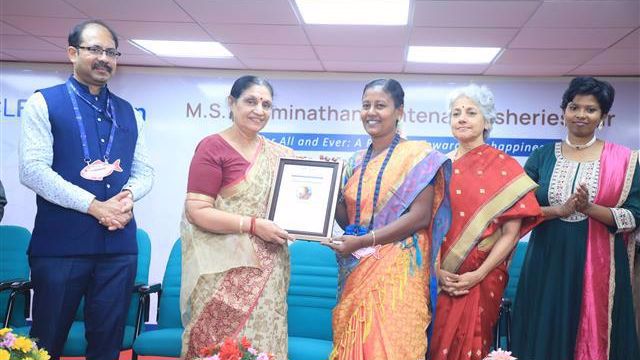
A fish vendor urged that fish, rich in protein and essential nutrients, be included in anganwadis. A mangrove conservationist shared how scientific mangrove restoration has offered hope to regions like Vypin, Kerala where flooding is a recurring threat. An expert highlighted both ecological wealth and emerging risks in the fisheries sector, while another flagged overfishing as a pressing challenge. These were among the powerful conversations at the M.S. Swaminathan Centenary Fisheries Fair held on February 26-27 that brought together members of fishing communities, scientists, government officials, and civil society representatives.
Read the Day One round-up
Read the Day Two round-up
|
|
|---|
|
|
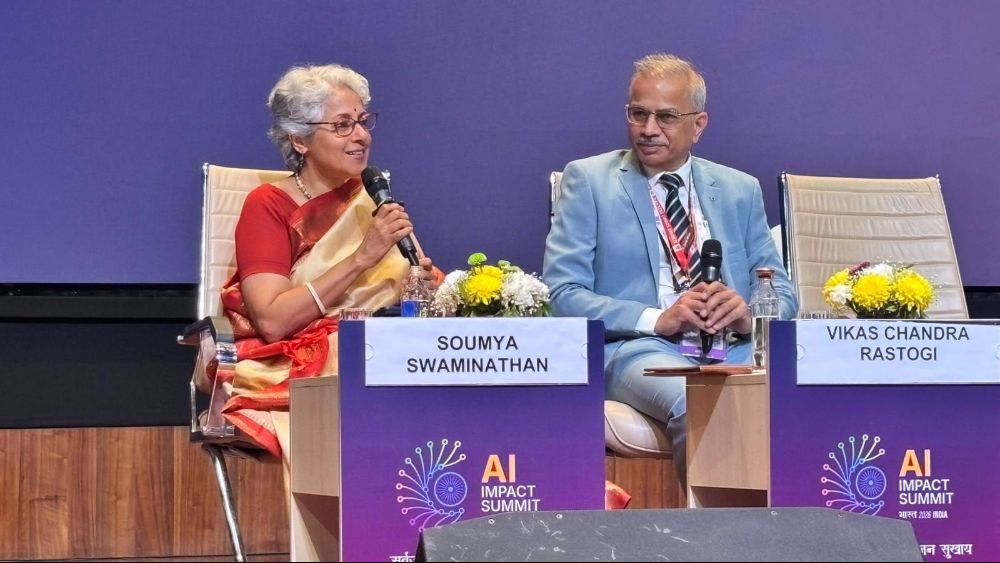 |
Unlocking AI’s Potential to Drive Inclusion of Women Farmers at India AI Impact Summit 2026
MSSRF partnered with the Government of Maharashtra at the AI4Agri 2026 Summit in Mumbai on February 22–23, curating three sessions on “Inclusive AI for Women Farmers: Empowerment, Equity & Emerging Leadership,” aligned with United Nations declaring 2026 as the International Year of the Woman Farmer.
Day one opened with the plenary “Cultivating Equity: Bridging the Gender Digital Divide through Responsible AI,” featuring a keynote by Dr. Soumya Swaminathan, followed by a panel discussion moderated by MSSRF Board Member Dr. Purvi Mehta, with Prof. Nitya Rao among the speakers. A key highlight was the participation of Padma Shri awardee Rahibai Soma Popere, bringing the voice of a woman farmer directly into the dialogue.
Day two featured two parallel sessions: “Coding for Equality,” focused on policy and governance levers for a gender-responsive Agri-AI ecosystem, and “Designing for HER,” centred on co-creation and ensuring AI solutions are relevant, not just technically accurate.
|
|
|---|
|
|
10th Wayanad Community Seed Festival Celebrates Women Seed Keepers
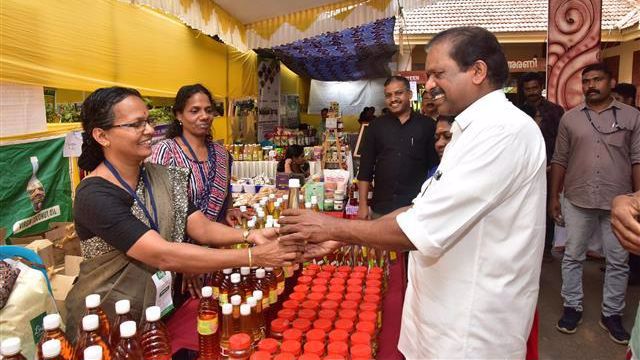
For over a decade, the Wayanad Community Seed Festival has brought together custodian farmers, tribal communities, researchers, and policymakers to celebrate and safeguard indigenous seeds and farmers’ rights. Since 2015, the annual gathering has engaged more than 15,000 people committed to protecting agrobiodiversity.
At its 10th edition, held from 28 February to 1 March 2026, participants exchanged seeds, shared knowledge, hosted discussions, and honoured Agrobiodiversity Conservators in partnership with the Wayanad District Tribal Development Action Council. This year’s theme — Celebrating Women Farmers as Custodians of Agrobiodiversity — placed women at the centre.
|
|
|---|
|
|
Women Farmers Take Centre Stage at Maharashtra Stakeholder Consultation |
|
|---|
|
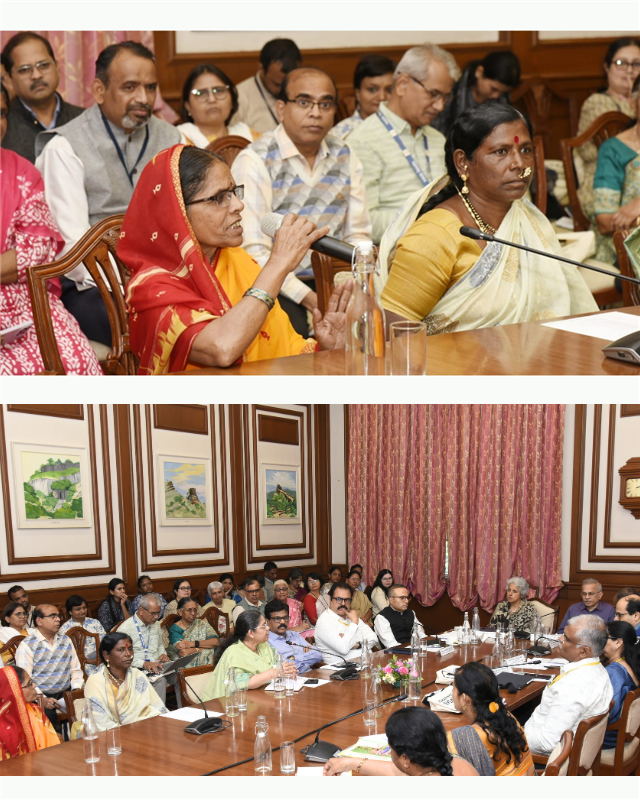
Women farmers from Maharashtra lead discussions at a key stakeholder consultation in Mumbai, co-hosted by the Maharashtra Department of Agriculture and MSSRF. Chaired by Additional Chief Secretary (Agriculture) Vikas Rastogi and MSSRF Chairperson Dr. Soumya Swaminathan. The event united civil society organizations, researchers, and officials to tackle persistent hurdles for women farmers—lack of recognition, no land titles, and scant access to credit, water, and schemes—despite their pivotal role in the agri-food system.
A draft policy note on Women Farmers' Entitlements, co-authored by Vidhi Centre for Legal Policy and MSSRF, took center stage. This kicks off the International Year of the Woman Farmer strongly, with MSSRF ramping up efforts to empower women for sustainable agriculture, nutrition security, and climate resilience. |
|
|
|
|
Students Explore Chennai’s Urban Wetlands |
|
|---|
|
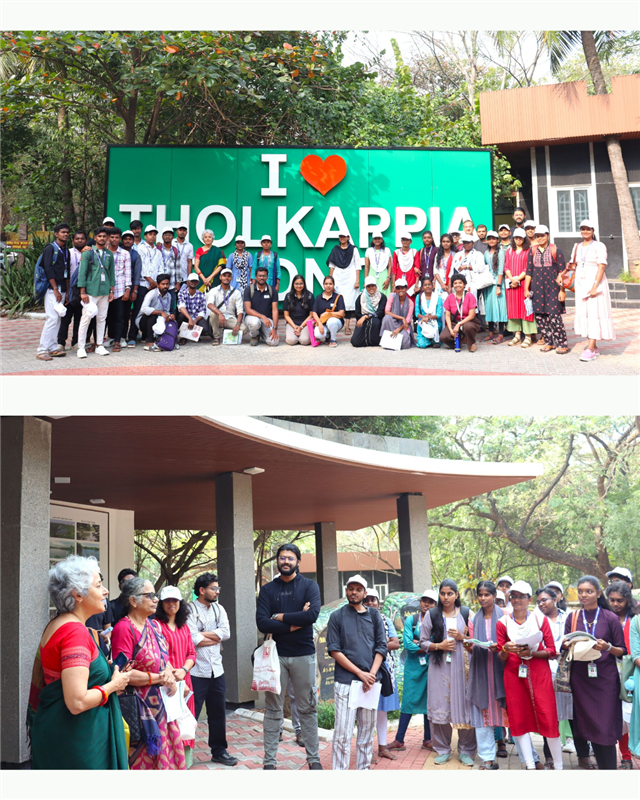
To mark World Wetlands Day on 2 February, MSSRF hosted an immersive wetlands walk at Adyar Eco Park. Nearly 50 participants, including 27 Botany students from Presidency College, explored the rich biodiversity of Chennai’s urban wetlands. From spotting birds, insects, and native flowers to taking part in fun quizzes, participants learned from experts about why wetlands are vital for fast-growing cities like Chennai.
“Owing to rapid urbanization and public negligence, there is always a need to preserve wetlands.” Dr Bhomia, Director, Wetlands, MSSRF, said to the
Times of India, as he led the walk.
Learn more about the walk
|
|
|
|
|
Wetlands Photography Exhibition
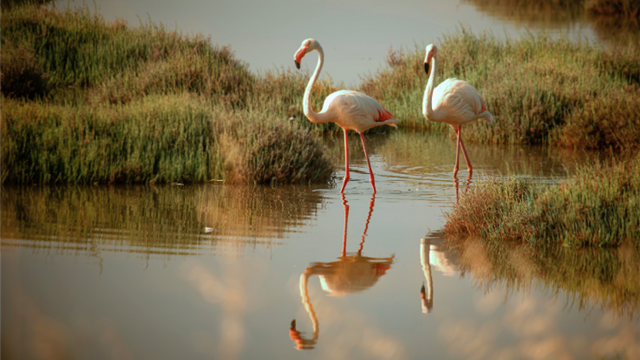
On World Wetlands Day, MSSRF invited photographs that highlight the rich biodiversity and interconnectedness of India’s wetlands to other ecosystems, and/or the cultural heritage linked to wetland stewardship.
Over 300 photographs have been received from professional and amateur photographers, of which the best 20 will be showcased at the Institute of Mathematical Sciences (IMSc), Taramani, on 21st March 2026. Three winners in each category will also be awarded at the event. This wetland photography celebrates the ecological, cultural, and social value of wetlands, highlighting how traditional knowledge, practices, techniques, and rituals of local and Indigenous communities' safeguards wetland ecosystems from India.
|
|
|---|
|
|
Dr. Soumya Swaminathan’s Address on Climate Change and Global Health
At the 13th Dr. Manohar V.N. Shirodkar Memorial Lecture, Dr. Soumya Swaminathan emphasized that climate change is not a distant threat but a present-day emergency disproportionately affecting vulnerable populations. She also outlined actionable solutions that could transform India’s response to climate change and air pollution.
|
|
|
|
|
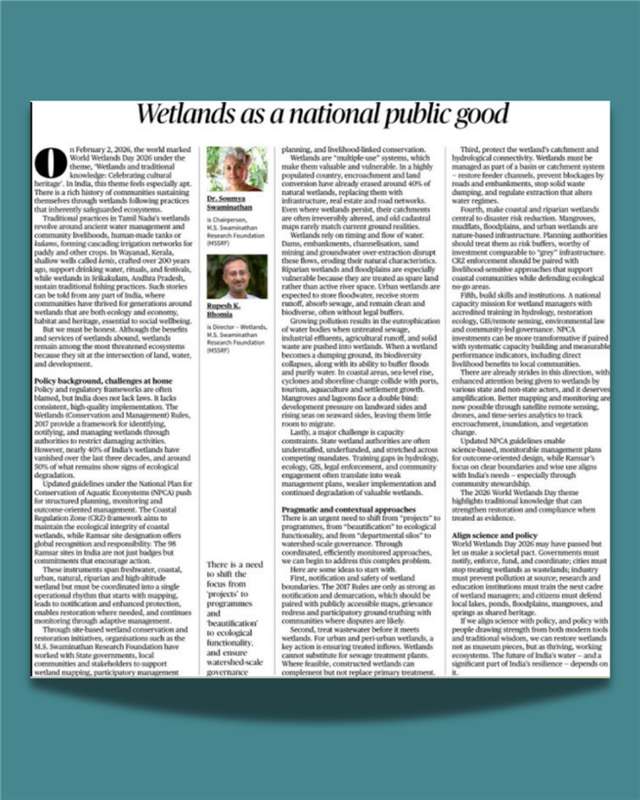
Dr. Soumya Swaminathan and Dr. Rupesh Bhomia on ‘Wetlands as a national public good’
On World Wetlands Day, Dr. Soumya Swaminathan and Dr. Rupesh Bhomia, Director, Wetlands, MSSRF, write about the need to shift the focus from ‘projects’ to programmes and ‘beautification’ to ecological functionality, and ensure watershed-scale governance.
|
|
|
|
|
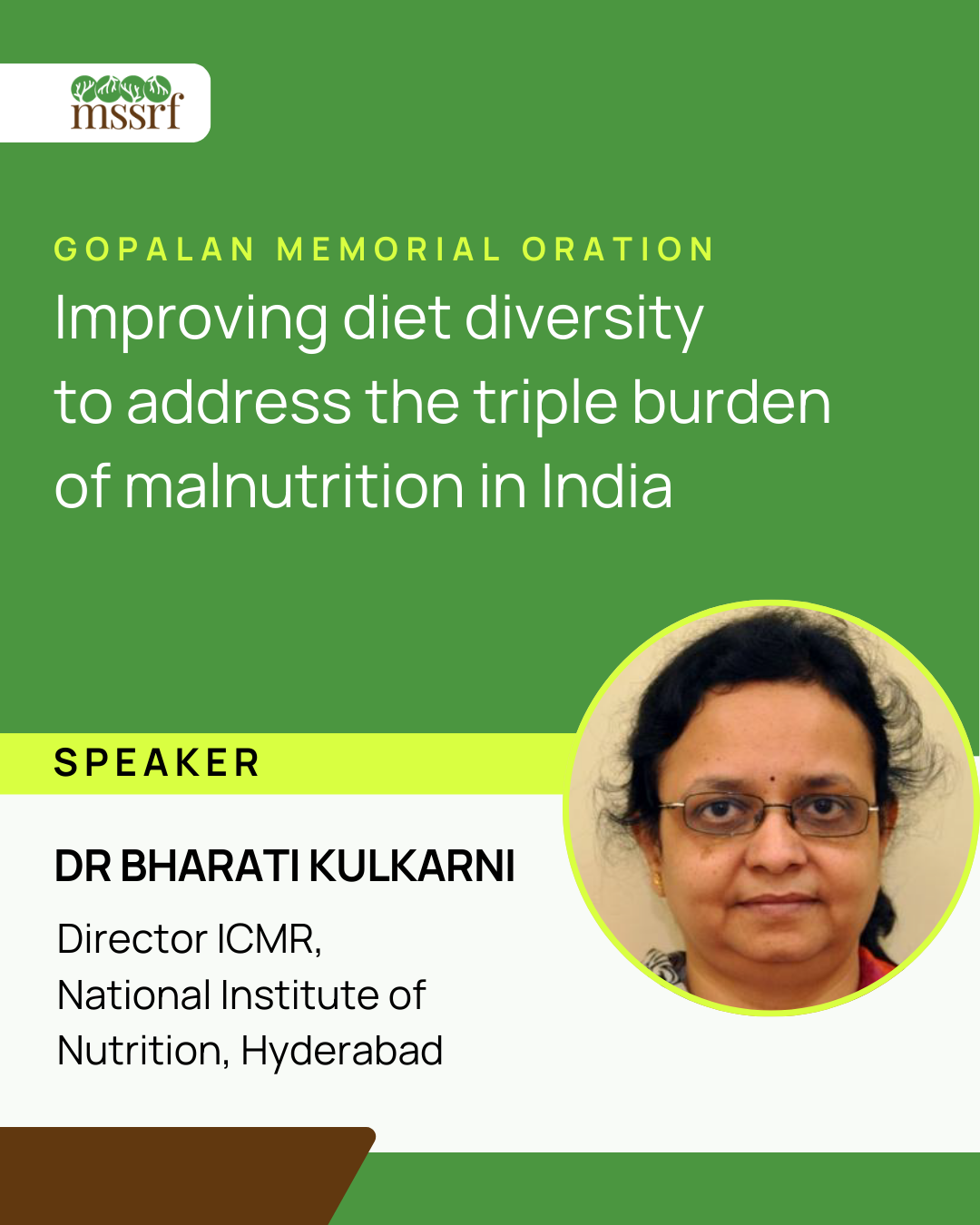
Dr. Bharati Kulkarni’s Address on Diet Diversity and Malnutrition in India
At the third edition of the C. Gopalan Memorial Oration Series, Dr. Bharati Kulkarni, Director of ICMR-National Institute of Nutrition, Hyderabad, highlighted the link between nutritional deficits and socio-economic factors. She noted that the widespread availability and affordability of ultra-processed foods complicates nutritional outcomes.
|
|
|
|
|
Panel Discussion marking International Day of Women and Girls in Science
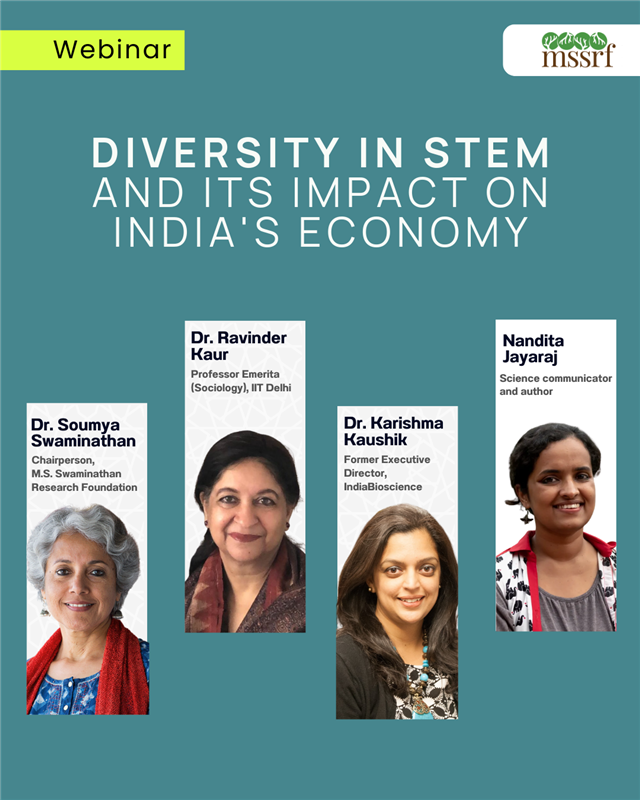
Dr. Soumya Swaminathan, Chairperson MSSRF, Dr. Ravinder Kaur, IIT Delhi, Dr. Karishma Kaushik, Author and Nandita Jayaraj, Science Communicator and author, joined the panel to address how policies and institutional mechanisms can address the limited representation in leadership, unequal access to opportunities and resources, and systemic biases holding back women in STEM.
|
|
|
|
|
|
M. S. Swaminathan Research Foundation 3rd Cross Street, Taramani Institutional Area, Chennai - 600113. Tamil Nadu, India
|
|
|---|
|
|
| |
|
|